
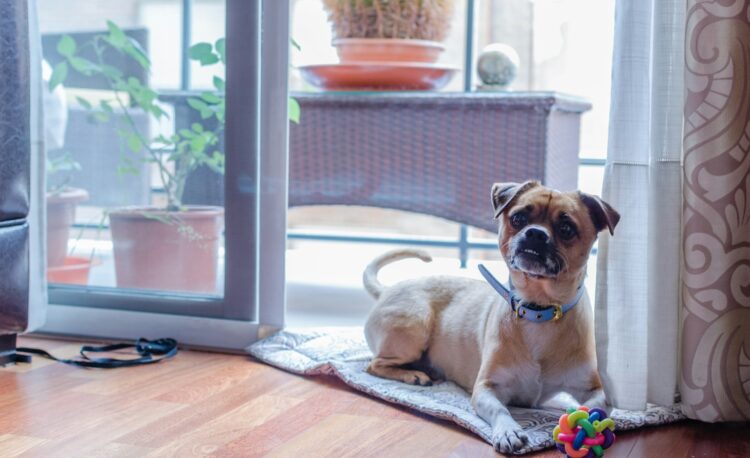
When it comes to playing with dogs, most people immediately think of fetch in the yard or long walks at the park. But what happens when the weather isn’t cooperating, or you live in a space without a backyard? Indoor bonding doesn’t have to be limited to tossing a ball across the living room. Spending quality time with your dog indoors can be just as fun, mentally stimulating, and rewarding — for both of you. With a little creativity, you can turn your home into a playground, a training ground, and a cozy bonding zone all at once.
Teach Fun Tricks

Teaching tricks isn’t just for Instagram-worthy videos; it’s a fantastic way to bond. Dogs love using their brains, and learning something new strengthens communication and trust between you. Start simple with commands like “spin,” “shake,” or “high five,” and gradually move to more complex routines if your dog is up for it. Trick training sessions can be short but frequent, giving your dog mental exercise without requiring a huge indoor space. Every successful trick comes with praise and treats, making learning feel like a positive, playful experience.
Puzzle Toys and Brain Games
Mental stimulation is just as important as physical exercise. Puzzle toys, treat-dispensing balls, or homemade challenges can keep your dog engaged for hours. Hide treats under cups and shuffle them around, or create a mini obstacle course using cushions and boxes. Brain games help prevent boredom, which often leads to destructive behavior indoors. They encourage problem-solving, focus, and patience, all while strengthening the bond because your dog learns to rely on you for guidance and rewards.
Indoor Agility Challenges
You don’t need a full backyard to set up an agility course. Use furniture, chairs, broomsticks, and cushions to create tunnels, jumps, and weaving paths. Guiding your dog through the course is a fun way to improve coordination, confidence, and obedience skills. Agility play can also build trust. Dogs learn to follow your cues and gain confidence in navigating unfamiliar spaces. Plus, it doubles as light exercise, helping them burn off energy when walks aren’t possible.
Sensory Exploration Games
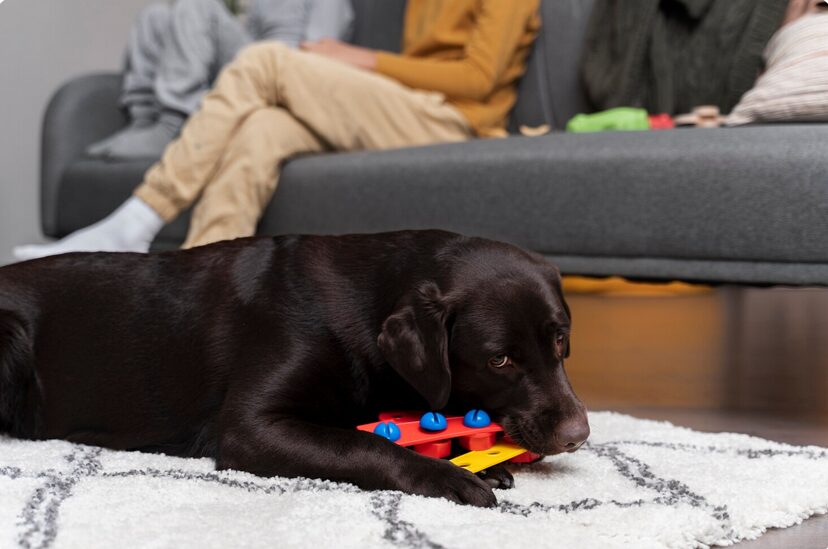
Dogs experience the world through their senses, so indoor sensory games can be surprisingly entertaining. Introduce different textures for your dog to explore, hide scented treats around the house, or play gentle sound games with crinkly toys or squeakers. Sensory activities engage your dog’s natural curiosity and provide enrichment that’s both calming and stimulating. These games also allow you to observe and better understand your dog’s preferences, which can strengthen your connection.
Interactive Play With Everyday Items
You don’t need fancy toys to entertain your dog. Household items like old socks, cardboard boxes, or rolled-up towels can become instant entertainment. Tug-of-war with a soft towel, hide-and-seek with treats, or DIY obstacle courses can keep play fresh and engaging. Creative indoor play teaches your dog adaptability and keeps both of you mentally engaged. Plus, it can be fun for you too, turning ordinary objects into memorable moments of shared joy.
Cuddle and Calm Time
 Bonding isn’t always about high-energy play. Quiet time is equally important. Designate cozy spots with blankets or dog beds where you can snuggle, brush, or gently massage your dog. These moments build trust and security. Calm interaction reinforces the emotional bond. Dogs that feel safe and loved indoors are more confident, happier, and responsive during play or training sessions. Sometimes, the best bonding activity is simply being together, without expectations or commands.
Bonding with your dog indoors goes far beyond the classic game of fetch. By combining mental challenges, physical play, sensory exploration, and quiet moments, you can create a rich and varied indoor routine that strengthens your relationship.